Home › Services › Shingle Roofing
Composition shingle is the regional default, and on new Katy construction it is usually the base grade the builder chose. What the builder chose matters when a storm has already tested it once, and matters again when it is time to pick the next one.
Production builders buy shingles by the truckload against a price target. The roof passes code and carries a warranty, and it is usually the entry tier of whatever line the builder uses. It is not defective; it simply has less mass, a thinner laminate or a lower wind rating than the next tier up. On houses that have been through two significant wind events in their first decade, that gap stopped being theoretical.
The label on the bundle carries the useful information. Manufacturers state a wind rating by test class. ASTM D3161 Class F is a 110 mph fan-induced test rating; ASTM D7158 Class H is rated to 150 mph. A rating describes a shingle installed by the manufacturer's instructions, with the nailing pattern the instructions require, so the installation matters as much as the number.
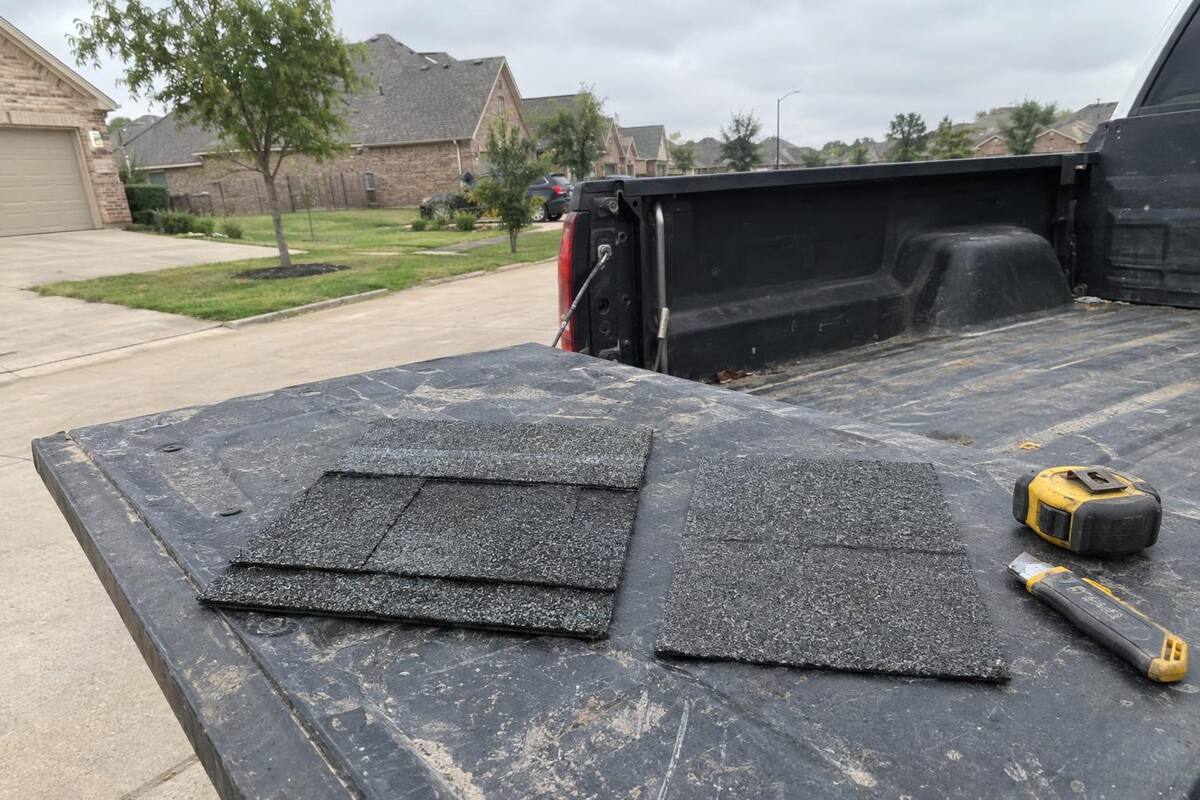
Ask which line and which tier, and get the wind rating and warranty document for exactly that product.
The rated wind performance depends on the manufacturer's nailing pattern. It is a fair question to ask.
Gulf humidity streaks shingles with dark algae. Many lines offer a resistant granule; it is not the same in every line.
Communities publish or keep an approved palette. Bring the swatch, not just the name. See HOA approval.
Sun and heat are the first driver: attic temperatures well above 120°F cook asphalt from below as well as above, and granules loosen and wash into the gutters. Humidity and shade drive algae streaks on north-facing slopes. Wind does its work at the seal strip. A roof can lose life from any of the three without any visible tear.
If the shingles are the only question, a roof inspection settles it; if they are already lifted, start with the storm damage inspection.
It is thicker and generally carries a higher rating and longer warranty. Whether the difference is worth it depends on the roof's exposure and how long the house will be kept.
In most master-planned communities there is an approved range and an approval step. Ask the association before ordering.
Heat and humidity shorten published lifespans. Ask for the warranty terms in writing and read what they exclude.
Describe what you are seeing and get connected with an independent contractor who works Katy houses.
Call (832) 772-2076 Request an Inspection Katy Roofing